- Home
- Institute
- Laboratories
- Science
- Events
- Journal
- News
- Contact
- Feedback
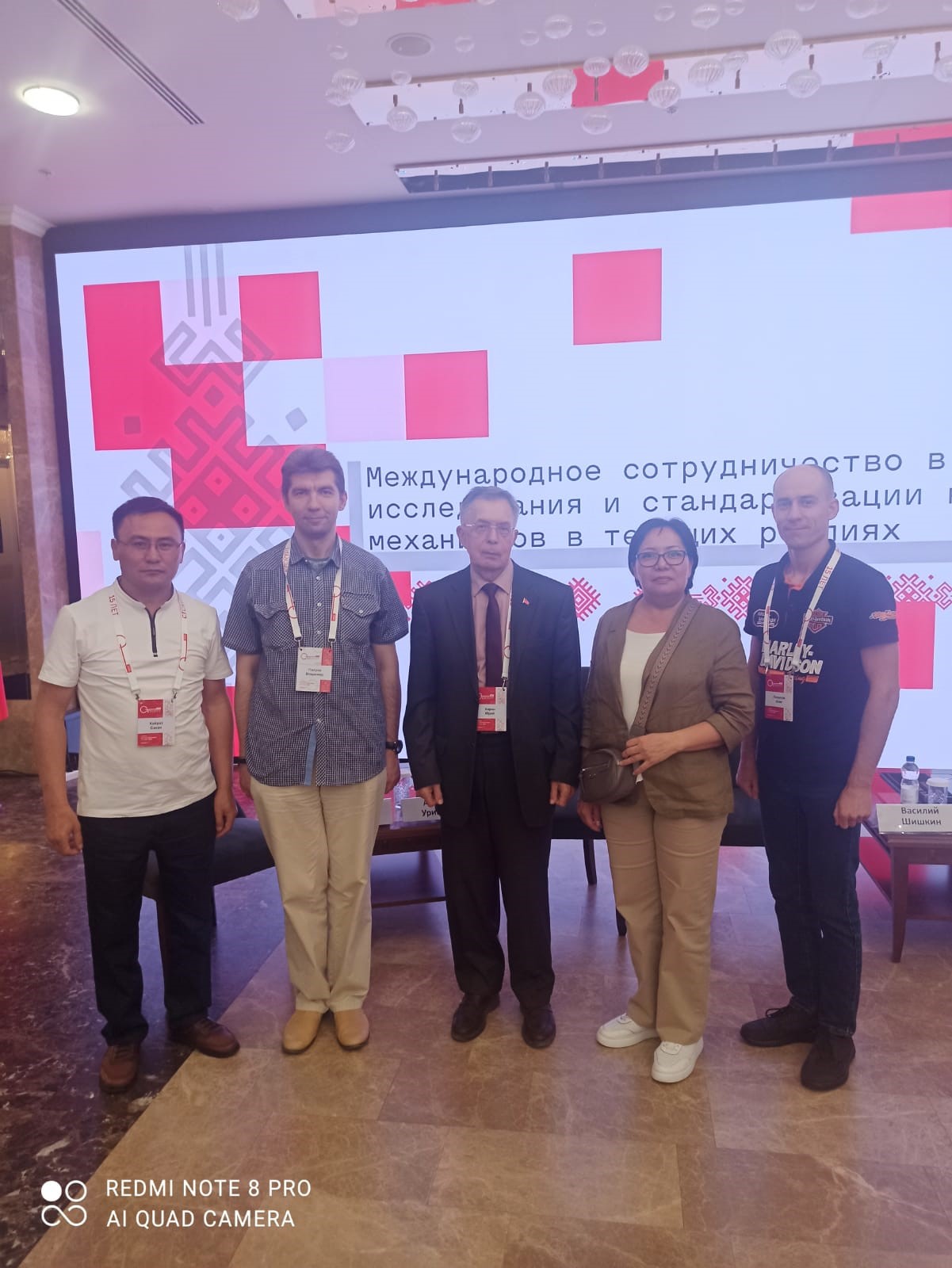
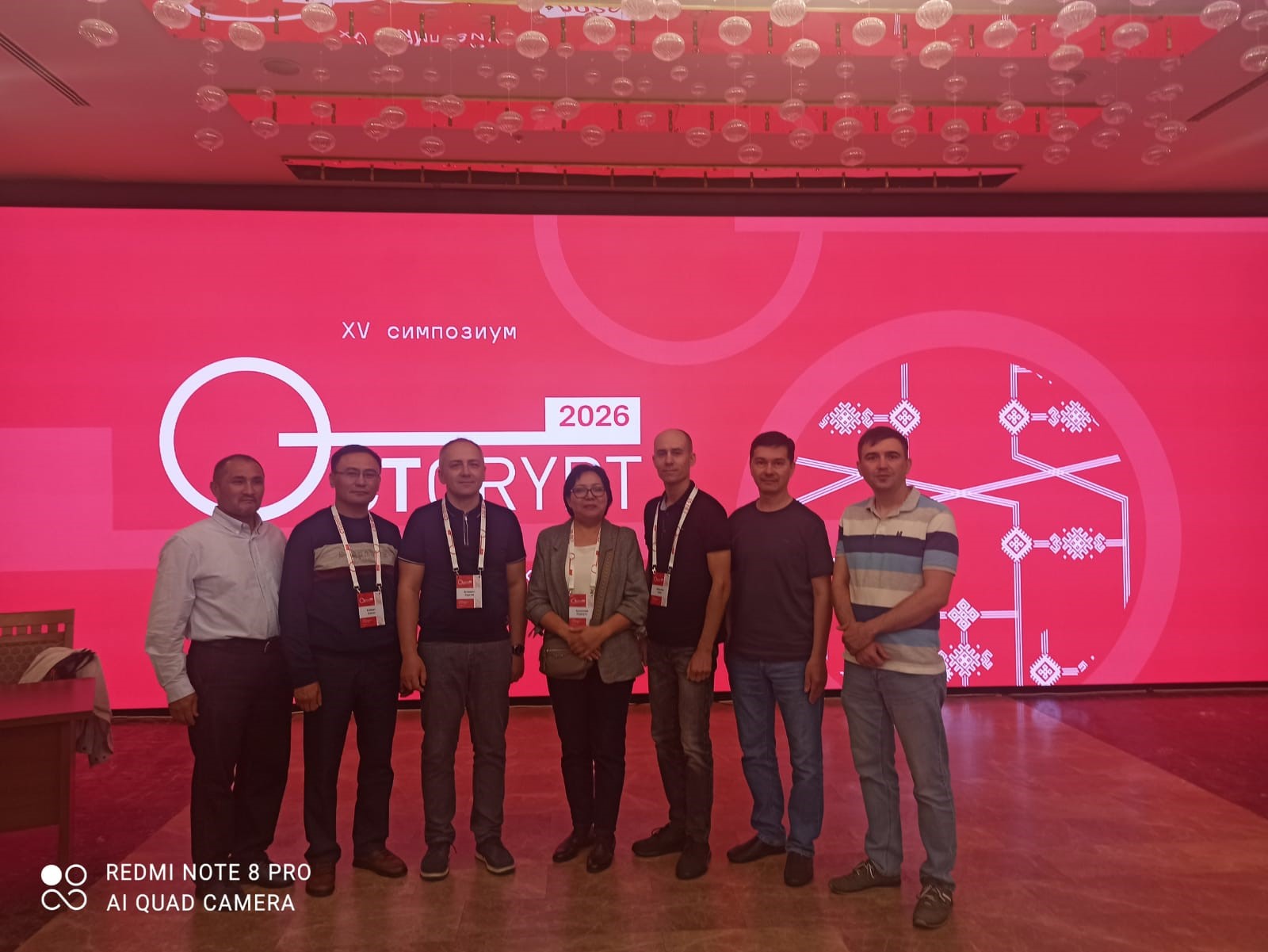
Staff from the Institute of Information and Computational Technologies of the Ministry of Education and Science of the Republic of Kazakhstan participated in the 15th Symposium “Modern Trends in Cryptography” (CTCrypt 2026), which was held in Minsk. The CTCrypt 2026 conference was organized by the Academy of Cryptography of the Russian Federation, the Technical Committee for Standardization “Cryptographic Protection of Information” (TC 26), the National Technological Center for Digital Cryptography (NTC DC), Belarusian State University (BSU), and the Steklov Mathematical Institute of the Russian Academy of Sciences. General partners: InfoTeCS and CRYPTO-PRO.
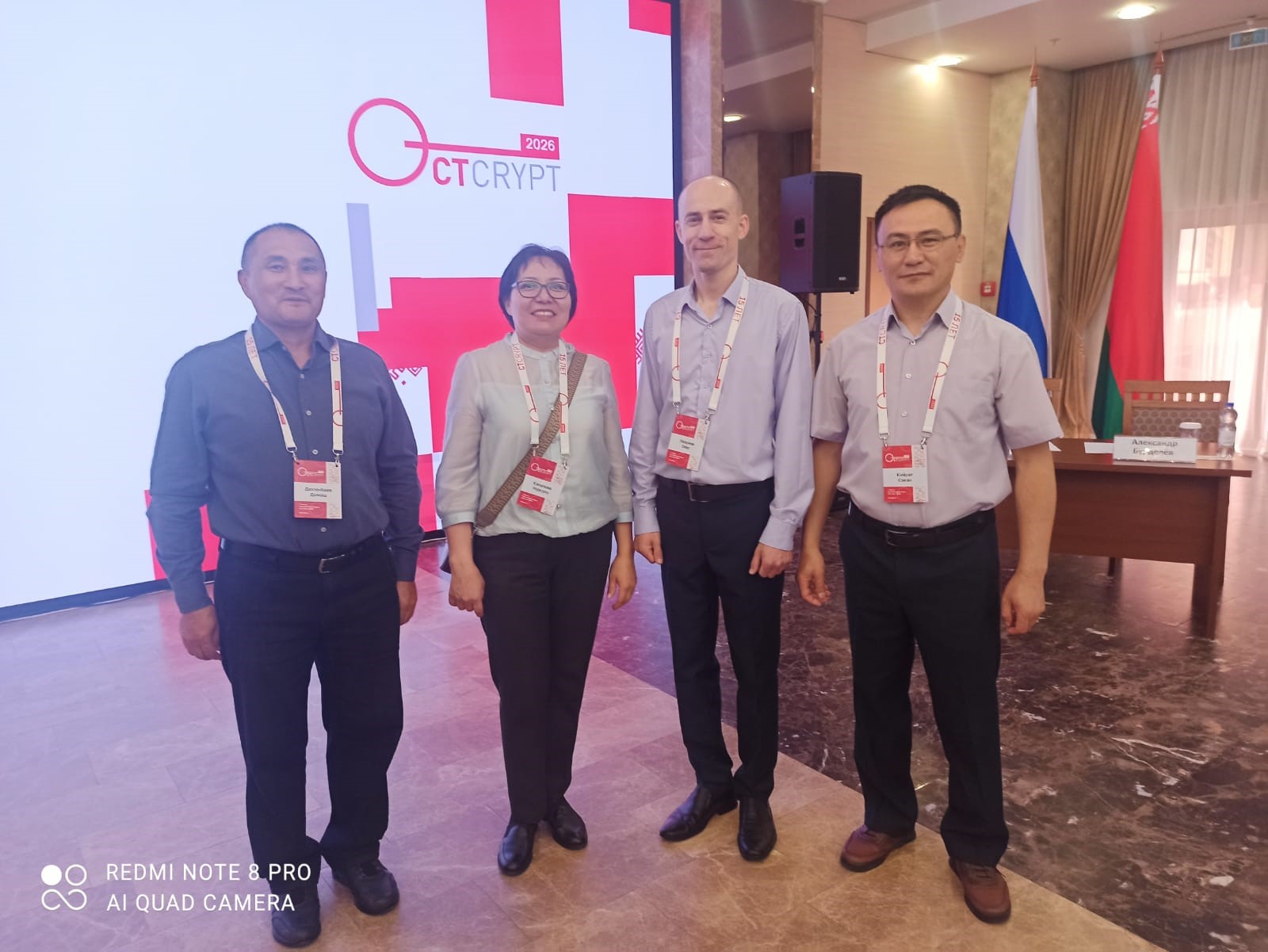
CTCrypt 2026 provided scientists with an excellent platform to meet and exchange views on cutting-edge advances in cryptology.
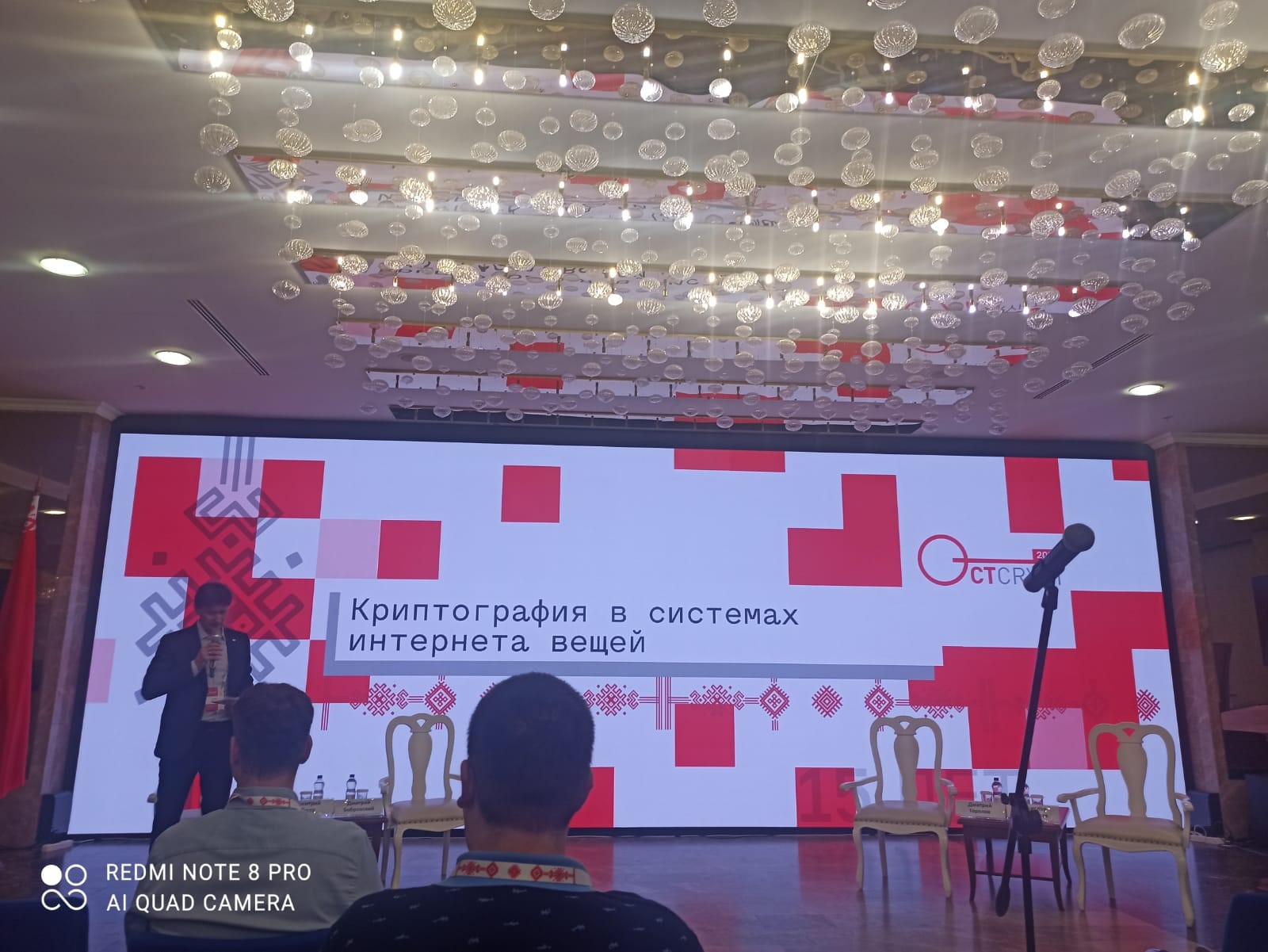
The symposium featured interesting papers on the following topics:
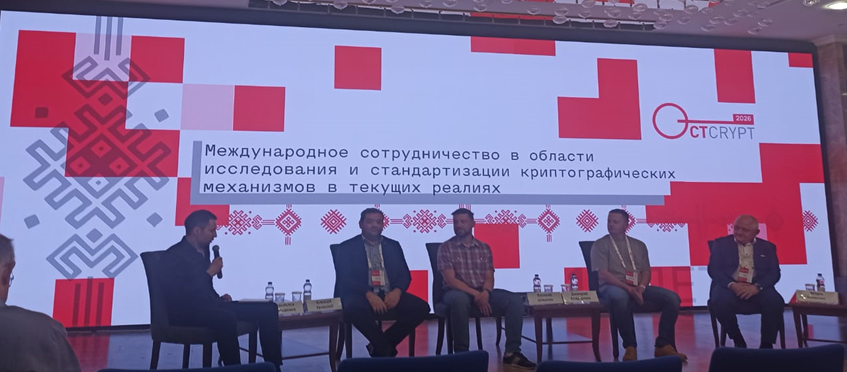
The current issues were discussed among scientists, practitioners, and regulators.
Low-resource cryptography in IoT and industrial systems: The necessity of developing specialized key systems and protocols was discussed. It was concluded that traditional office cryptographic tools (СКЗИ) may be insufficient for IoT under certain conditions, requiring a more specialized approach.
Use of existing СКЗИ in IoT: It was noted that some developers use cryptography superficially (encryption, signatures, checksums), which can reduce effective protection and pose a risk of discrediting methods. A comprehensive assessment and application of modern solutions are essential for increased security.
Examples of cryptographic protection: Examples from participants’ experience in ensuring the security of industrial and IoT systems facing non-standard challenges requiring special solutions and hybrid methods were presented.
Post-quantum cryptographic mechanisms: The relevance of supporting, timelines for implementation, and the current readiness level of algorithms were discussed. The need for active work on the synthesis and analysis of post-quantum algorithms was emphasized.
Application of post-quantum algorithms: Tasks for integration into protocols, as well as the possibilities and feasibility of hybrid approaches, were considered.
International participation: Plans for participation in technical groups (ISO, IETF, W3C), goals of standardization, and development of cryptographic protocols considering national algorithms were discussed. The importance of joint efforts to ensure international compatibility and security was highlighted.
The symposium provided an opportunity to meet with scientists and specialists from leading government agencies and universities in the Russian Federation and the Republic of Belarus working in cryptology and to discuss potential collaboration.