
- Home
- Institute
- Laboratories
- Science
- Events
- Journal
- News
- Contact
- Feedback
On November 17, 2026, a scientific seminar entitled “Lightweight Cryptography for Internet of Things (IoT) Devices” was held at the Institute of Information and Computational Technologies (IICT). The event brought together institute staff members, doctoral students, and young researchers interested in exploring modern methods of cryptographic information protection and ensuring the cybersecurity of smart devices.
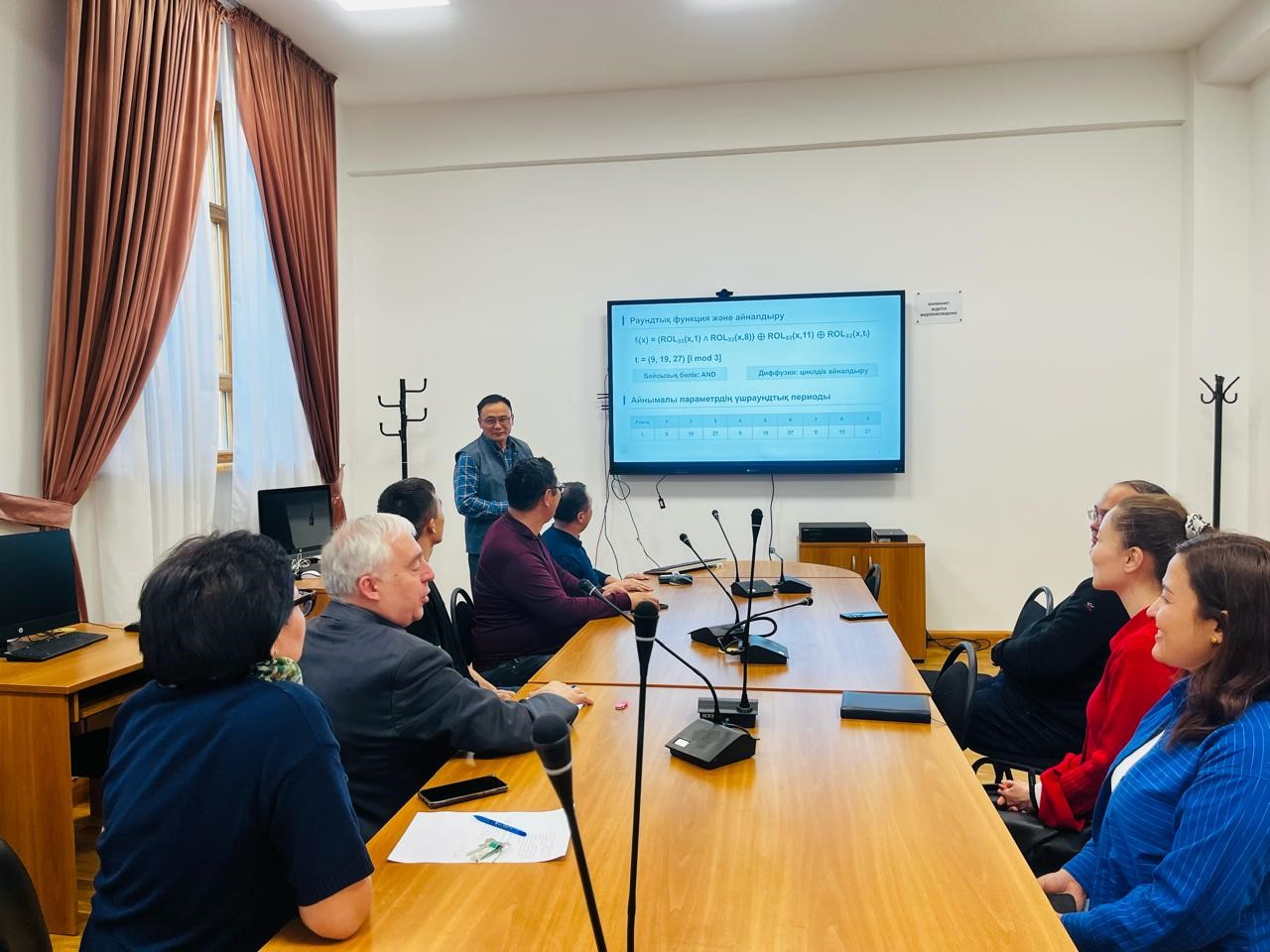
During the seminar, participants discussed current issues related to the development, improvement, and practical application of lightweight cryptographic algorithms designed for devices with limited computational resources. Particular attention was paid to the specific aspects of applying cryptographic mechanisms in Internet of Things (IoT) systems, which are widely used in various areas of modern life, including industry, healthcare, transportation, smart buildings, and automation systems.
The participants discussed the challenges of ensuring the information security of IoT devices, taking into account their technical limitations, including low computational power, limited random-access memory, small battery capacity, and the need to minimize energy consumption. In this context, the importance of lightweight cryptography was emphasized as one of the promising areas of modern applied cryptography, enabling an adequate level of information protection while making efficient use of hardware resources.
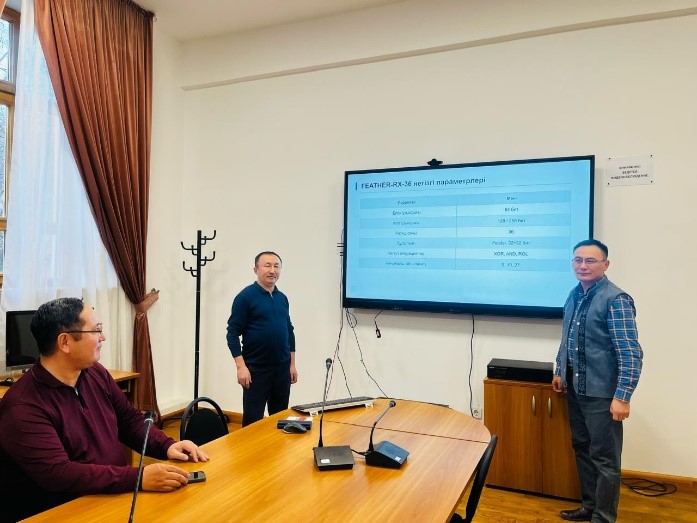
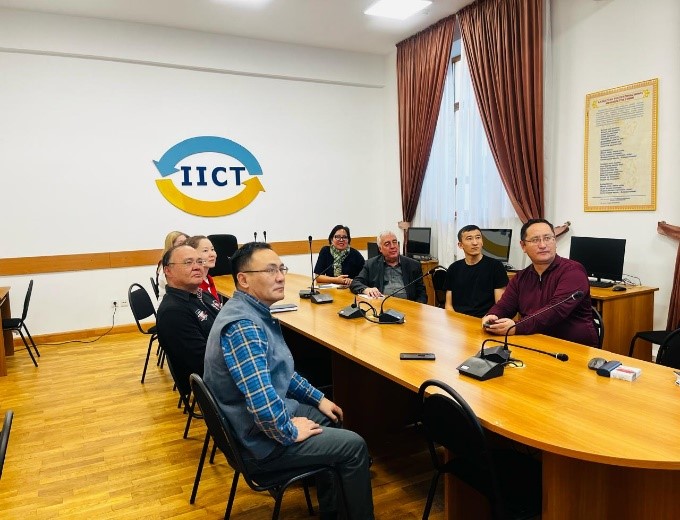
Special attention was also given to current scientific and practical challenges related to ensuring the confidentiality, integrity, and authenticity of transmitted data, as well as developing effective cryptographic solutions for resource-constrained computing systems. The discussion enabled participants to gain a deeper understanding of current challenges and future prospects in the development of cryptographic technologies amid the rapid expansion of Internet of Things devices.
This scientific event is part of the Institute’s ongoing efforts to strengthen its research potential, support young researchers, and create a favorable environment for the exchange of scientific knowledge and experience.
Such seminars contribute to the advancement of scientific activities, the development of interdisciplinary research, and the training of qualified researchers capable of addressing contemporary challenges in information technology, cryptography, and cybersecurity.