
- Home
- Institute
- Laboratories
- Science
- Events
- Journal
- News
- Contact
- Feedback
Currently, within the framework of cooperation between Al-Farabi Kazakh National University and Institute of Information and Computational Technologies, systematic work is being carried out to organize scientific internships for students. Under this agreement, second-year master’s students of the Faculty of Information Technology and Artificial Intelligence, enrolled in the educational programs “7M06301 – Information Security Systems” and “7M06302 – Information Security Audit,” are undertaking a scientific internship from March 30 to April 11, 2026, at the R.G. Biyashev Information Security Laboratory of the institute.
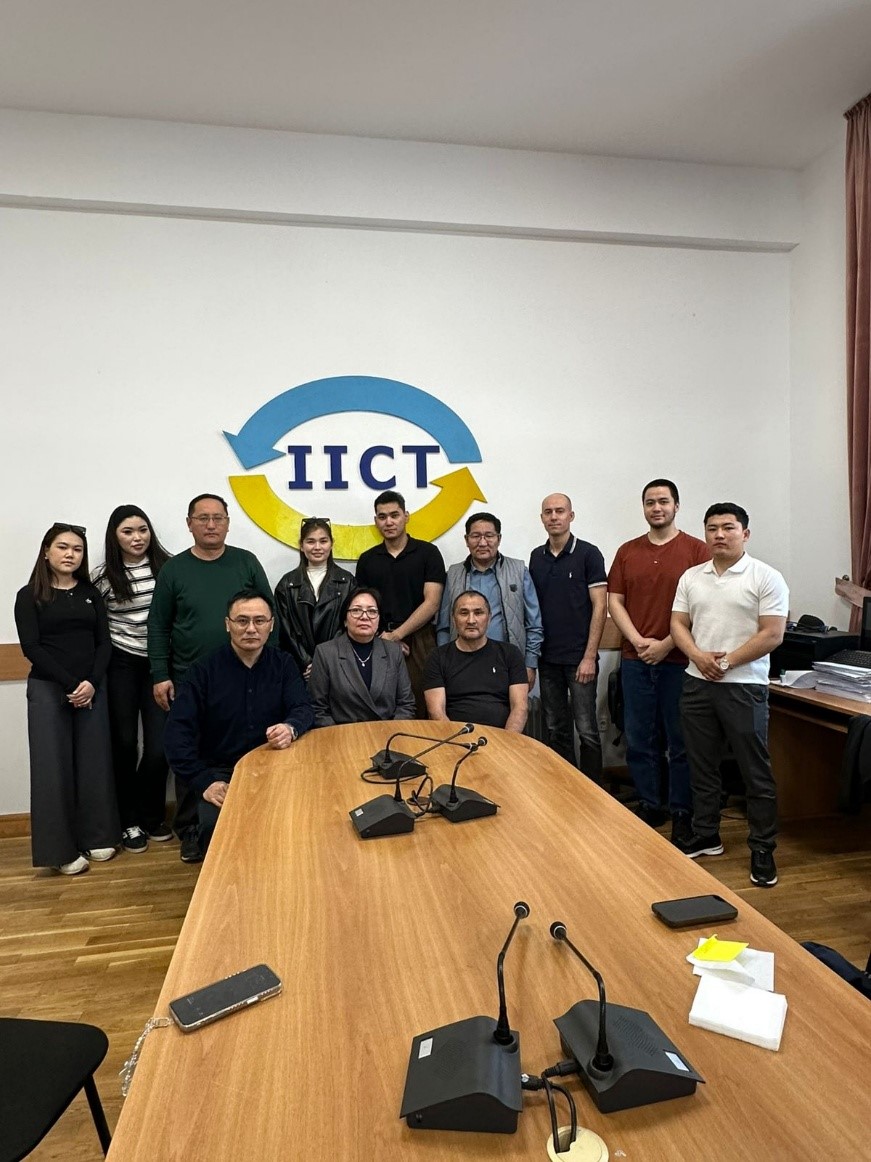
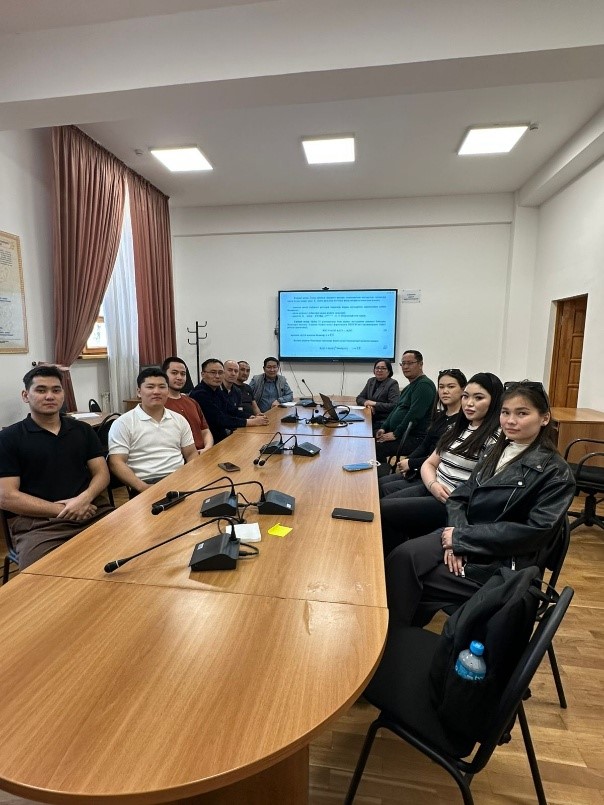
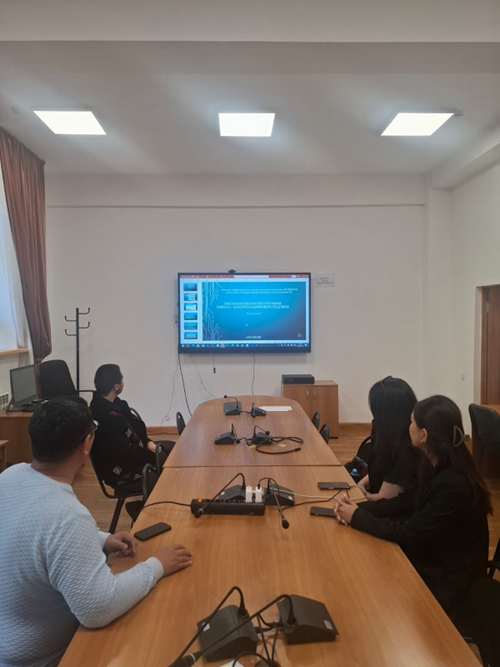
As part of the internship, comprehensive scientific and practical activities covering modern areas of information security and cryptology were organized. In particular, seminars on fundamental and applied issues of cryptography addressed the theoretical foundations of encryption algorithms, methods for evaluating their cryptographic strength and efficiency, as well as promising approaches in post-quantum cryptography. During the internship, students practically explored the functioning mechanisms of information security systems, enhancing their skills in modeling cryptographic protocols, analyzing their vulnerabilities, and assessing their resistance to attacks.
In addition, modern methods for ensuring data integrity, confidentiality, and availability were thoroughly examined, including authentication and authorization mechanisms, digital signature algorithms, and hash functions. Scientific discussions focused on current issues in information security, including new types of cyberattacks, social engineering factors, and associated risks. These discussions contributed to the development of critical thinking, the formation of a scientific mindset, and the strengthening of skills in comprehensive analysis of complex security challenges. Furthermore, students were actively involved in conducting independent research in relevant areas of cryptography and information security, developing competencies in problem formulation, hypothesis development, experimental analysis, and interpretation of results.
In conclusion, the internship not only deepens the theoretical knowledge of master’s students but also promotes their systematic involvement in research activities and the development of a research culture. This process helps unlock the scientific potential of young researchers, facilitates their engagement in innovative projects, ensures the continuity of scientific schools, and enhances the quality of training of scientific personnel at the national level. As a result, the internship creates essential conditions for the development of highly qualified, competitive specialists oriented toward research activities.